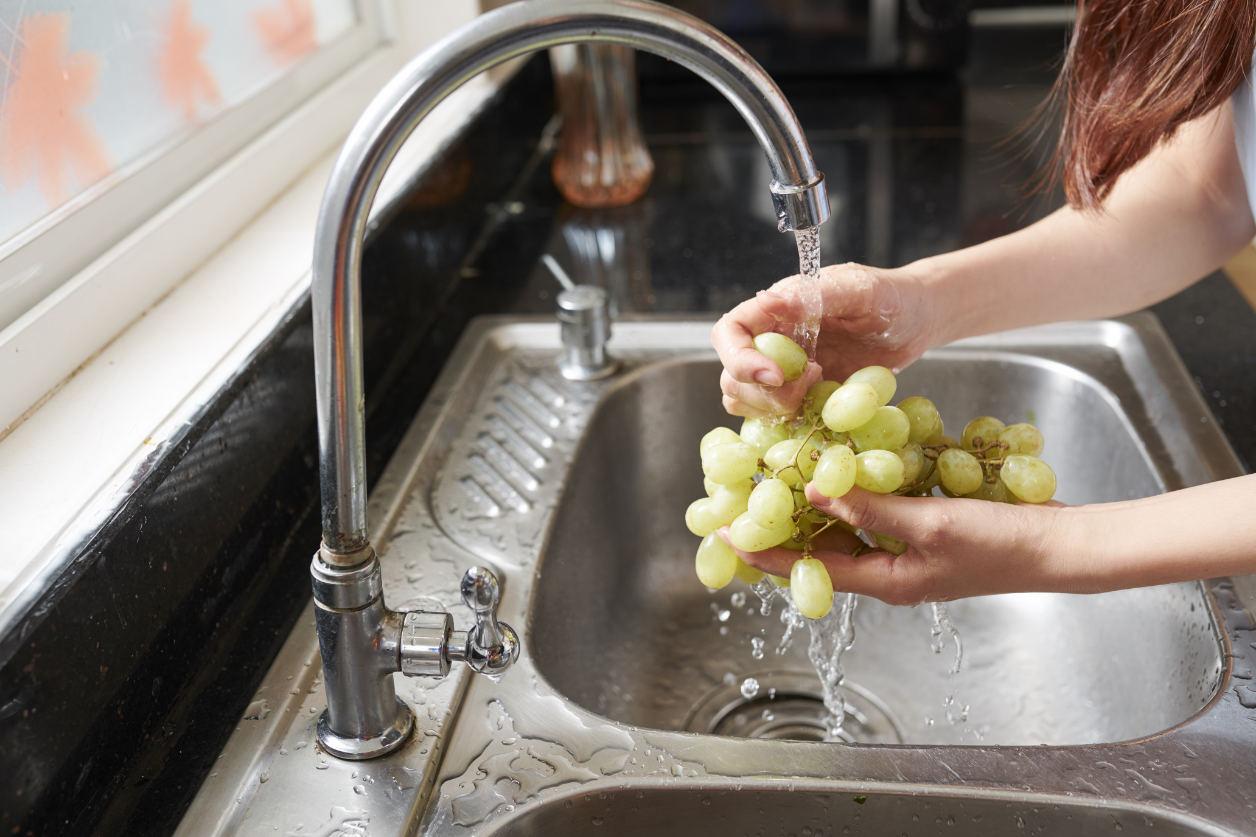
Darrere el gest d’obrir l’aixeta de l’aigua de casa hi ha un complex món d’arquitectures i enginyeries, que ens permeten tenir aigua potable a la nostra llar. Segons dades de l’ONU 1.400 milions de persones no tenen aigua potable, per tant, cal prendre consciència dels processos que ens permeten disposar d’aigua potable de qualitat en quantitat suficient. Un tema que ve de lluny, concretament van ser els romans qui van entendre la importància de la funcionalitat de l’arquitectura i l’enginyeria. Una de les seves grans preocupacions va ser abastir d’aigua les ciutats, i avui dia la nostra gran preocupació és garantir la potabilitat de l’aigua per a un consum massiu. Però cada solució genera un nou problema a resoldre, i només així progressa la nostra societat.
Perquè l’aigua arribi a les nostres llars calen moltes fases d’un llarg procés, però ens centrarem en dos d’ells: la potabilització i la distribució, i com s’afecten entre ells. El conjunt de tractaments que permeten que l’aigua sigui apta per al consum humà són molt variats, un d’ells és la desinfecció. El cas és que en els darrers vint anys s’ha incrementat l’agressivitat dels productes per desinfectar l’aigua, i això afecta directament la resistència dels materials que la transporten. Només cal analitzar l’obsolescència dels materials a mesura que els processos de desinfecció són cada cop més agressius. La vida mitjana de les canonades que transporten aigua potable ha passat dels cinquanta anys als actuals deu o quinze, podem afirmar doncs que les canonades són un 70% menys durables que fa vint anys.
Italsan és una empresa líder en fabricació, distribució i servei postvenda de sistemes de canalització de canonades plàstiques. Com totes les empreses fabricants d’aquesta mena de materials busca materials per conduir l’aigua que siguin sostenibles, però també rendibles. Comparteixen amb consumidors i abastidors d’aigua la mateixa preocupació: garantir la qualitat de l’aigua. Per aquest motiu entenen millor que ningú que per assegurar la potabilitat de l’aigua cal establir un doble mecanisme: primer garantir la qualitat de l’aigua, i després assegurar la resistència dels materials que la transporten, mantenint així la màxima qualitat fins al consumidor. Per aquest motiu desenvolupen un projecte de recerca en el marc dels Doctorats Industrials, oferint una solució pels materials que transporten l’aigua, protegint la seva resistència davant dels processos de desinfecció cada cop més agressius.
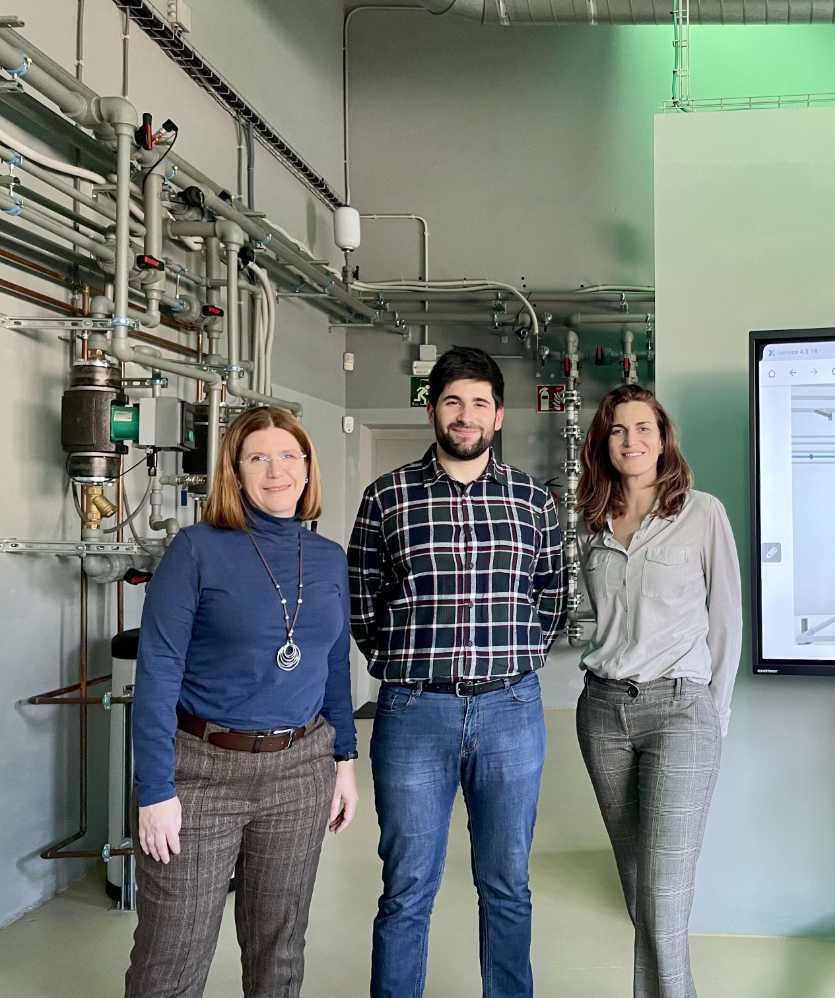
Per poder entendre una mica millor el projecte i conèixer la seva experiència amb els Doctorats Industrial hem volgut parlar amb els tres protagonistes: Laura Sánchez com a responsable de l’empresa en el projecte, Ines Fernandez com a directora de tesi i Josep Maria Ferrer com a doctorand industrial.
Que us ha motivat a la realització d’aquest projecte?
Laura Sánchez: considerem que una part fonamental en tot procés de vida d’un producte és conèixer com respon a partir de les nostres expectatives al llarg de tota la seva vida útil. Després de més de trenta anys dins dels sistemes termoplàstics per a la conducció d’aigua de consum humà, hem pogut detectar punts crítics per a posar a prova les millores dins dels mateixos materials. La motivació del projecte és poder seguir la química associada a les primeres fases d’envelliment amb la intenció de poder descobrir mecanismes de millora tant en la línia de producte com en la d’assaig.
Quines novetats incorpora aquest projecte?
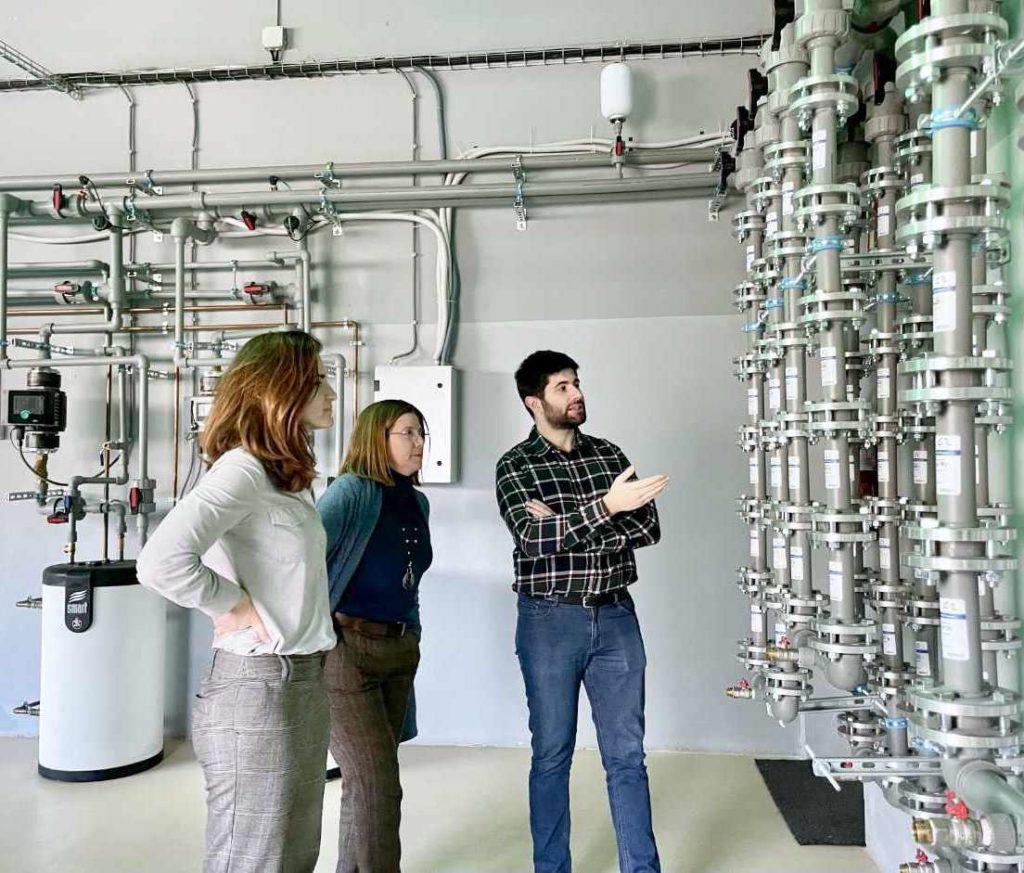
Laura Sánchez: i Josep Maria Ferrer: per un costat, la mateixa metodologia de gestió de mostres per a condicionar físicament i química no és comú; no tenim constància de cap projecte similar tant en el nostre àmbit com en els mateixos col·laboradors. També volem destacar que en tot moment tenim coneixement de què està passant a la instal·lació gràcies al sistema de sonorització d’ULBIOS Water, a través del qual tenim totes les dades a temps real de les nostres variables de contorn.
Que us ha aportat la recerca col·laborativa a la vostra feina de recerca?
Ines Fernández: aquesta recerca col·laborativa ens interessa molt perquè ens aporta coneixement del comportament d’aquests materials en servei. Aquest coneixement no només ajuda la nostra recerca sinó també a la docència, ja que nosaltres formem enginyers de materials que treballaran a la indústria, per tant, també els preparem millor si coneixem la indústria. Aquesta recerca no ens és aliena, el nostre grup de recerca és un grup amb l’acreditació Tecnio, portem molts anys fent recerca amb empreses i formant investigadors que van realitzar la seva recerca en un àmbit d’interès industrial.
Quin avantatge heu trobat en la recerca aplicada, quin impacte està tenint en l’aplicació de resultats?
LS: és increïble com el coneixement científic pot marcar la diferència en un mercat on majoritàriament el preu ha estat la variable amb més pes dins dels projectes. La ciència, associada amb el coneixement de les necessitats reals dels clients, ens ha permès posicionar-nos per a donar les solucions més adequades per a cada cas. Actualment, conèixer com evoluciona des d’un principi la canonada aporta un valor intangible que permet, per exemple, ser considerats socis de confiança de molts clients a l’hora de prendre decisions, tant directament com indirecta, relacionades amb el producte.
Com a doctorand industrial, què t’ha aportat participar en un projecte de Doctorat Industrial?
JM: veig el Doctorat Industrial com la culminació d’una carrera acadèmica on l’àmbit empresarial ha modelat el meu desenvolupament des del tram final del grau. La profunditat de l’estudi, les nostres exigències i la voluntat d’optimització ens ha requerit organitzar i liderar equips de persones especialitzades en diferents sectors durant diferents etapes. La seva ajuda, precisament, neix de l’heterogeneïtat de les necessitats que s’han anat presentant fins ara.
D’aquesta forma, i per poder afinar cada subprojecte, m’he anat formant sobre els aspectes més generals de cada col·laborador i he pogut aprendre conceptes que transcendeixen el nostre sector. Sempre he cregut que les persones han de confiar les unes en les altres i aprendre a fer equip, però mai ho havia vist tan clar com ara. De fet, sent sincers, estic fent el doctorat industrial gràcies a la confiança que, des del primer dia, les meves directores han tingut en mi. Per tant, d’entre tot el que m’està aportant el Doctorat Industrial, destaco la presa de decisions dins d’un equip, col·laborar amb gent increïble i millorar la meva gestió.
Quina valoració feu de la vostra experiència amb els Doctorats Industrials?
IF: la meva valoració dels Doctorats Industrials és excel·lent, ja que és una eina fonamental per a la tercera missió de la Universitat que és la transferència de coneixement. Aquests projectes ens permeten fer aquesta transferència de coneixement fent recerca aplicada amb l’empresa.
En particular, des de l’àmbit de la ciència i tecnologia de materials, fer la recerca amb l’empresa ens permet adquirir un coneixement essencial, com és el fet de poder avaluar el comportament en servei en condicions reals d’operació, per tal de fer un millor ús dels materials i desenvolupar-ne de nous.
LS: per part de l’empresa, el projecte de Doctorats industrials ens apropa a una recerca que ens permet ser més competidors i guanyar la confiança dels nostres clients a mesura que aprenem més aspectes propis del material i del seu comportament. En aquest aspecte, la nostra impressió és extraordinària.