L’alimentació humana actual no és sostenible. Els càlculs actuals estimen que la població mundial augmentarà en 2000 milions de persones en els pròxims 25 anys, amb la qual cosa s’arribarà pràcticament als 10.000 milions d’habitants. Com es pot alimentar la població mundial de manera sostenible? Ara imaginem com es pot donar resposta a la demanda d’aliments d’un món superpoblat. Si no volem destruir l’ecosistema, cal fer recerca i potenciar la innovació per oferir alternatives i solucions a un problema de sostenibilitat alimentària mundial.
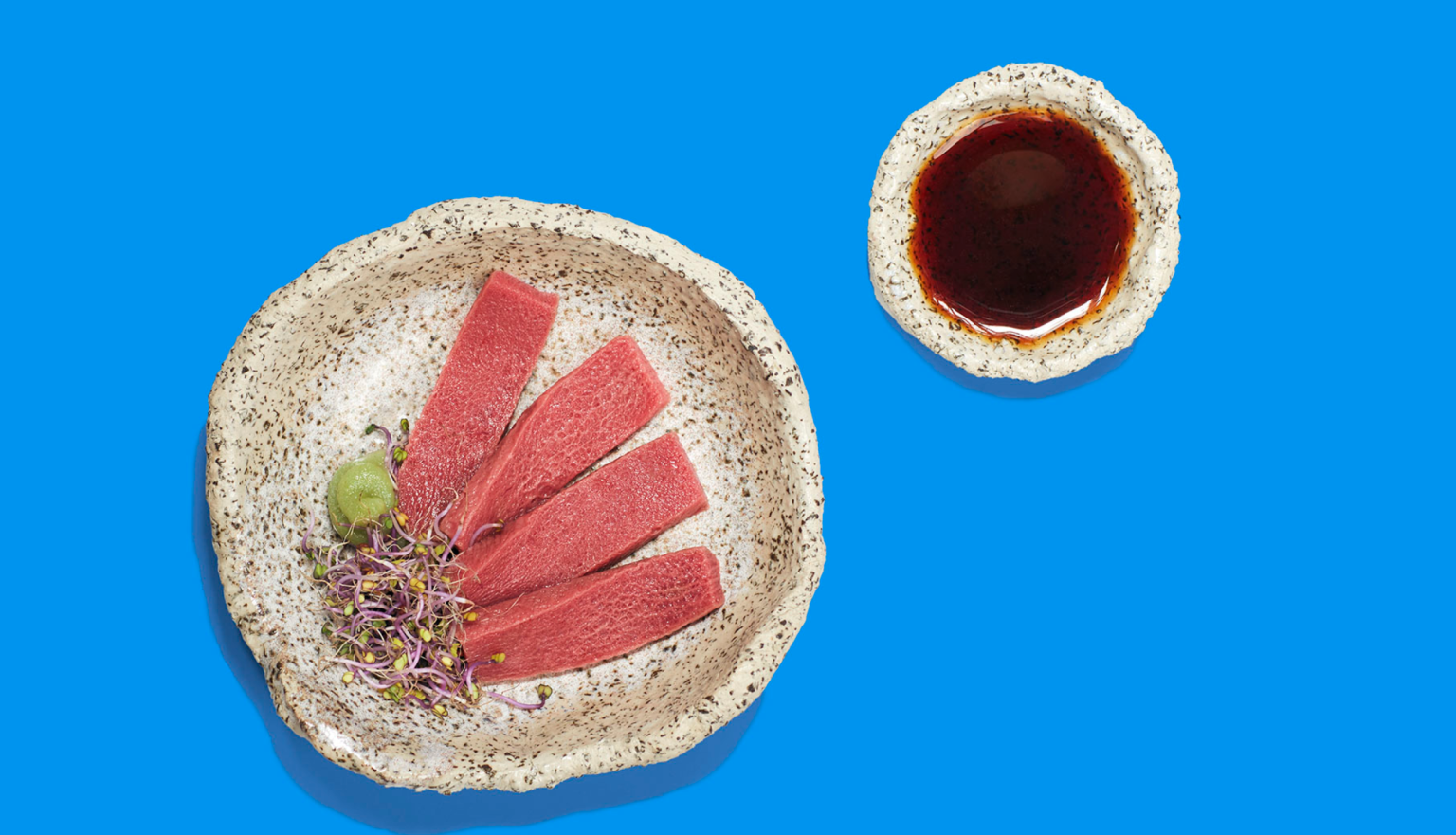
Segons alguns estudis, cap al 2040 el 30 % de la carn en el mercat serà cultivada en laboratoris a través de cèl·lules. L’empresa Current Foods, liderada per Sònia Hurtado, és pionera en productes alimentaris de peix d’origen vegetal, concretament la tonyina vermella crua. Els reconeixements i premis rebuts demostren que ho estan aconseguint. És per aquests motius que projectes de recerca com els que ella lidera tenen tant valor per al programa de Doctorats Industrials (DI), ja que compten amb un gran potencial d’impacte en el món que habitem. Ara per ara, el seu gran repte és traslladar al consumidor els beneficis d’aquesta mena de peix, centrat en un relat molt favorable a la sostenibilitat dels oceans, els animals i el planeta en general. Una emprenedora molt convençuda de la seva missió per la sostenibilitat alimentària, amb una trajectòria laboral molt interessant orientada a crear productes que puguin finalment crear hàbits alimentaris que cuidin el planeta i la salut de la mateixa manera.
Què els hi passa als oceans amb la sobrepesca?
La sobrepesca que s’ha estat produint els darrers 50 anys ha causat un deteriorament dels oceans. És un fet que es fa evident tant en les poblacions de peixos (més exagerat en els peixos que són dalt de tot de la cadena alimentària, cosa que causa una desestabilització de l’ecosistema), com en la desforestació del sòl submarí, que equival a 1,5 vegades la superfície del continent europeu. Un exemple, que és el que a mi personalment em va impactar més en saber-ne la xifra, és que la tonyina vermella, tant la del Pacífic com la de l’Atlàntic, s’ha reduït en un 97 % en població. En altres paraules, només en queda un 3 % i està en perill d’extinció crítica.
Quin impacte pot tenir el consum de proteïnes d’origen vegetal?
Sens dubte milloraria la situació, perquè el consum de proteïna animal no és eficient en cap dels sentits. Per alimentar el bestiar necessitem unes quantitats de gra i d’aigua que tenen un impacte mediambiental terrible. En el cas del peix passa el mateix: tant a escala de piscifactoria com de pesca salvatge, l’impacte sobre el mar és devastador. Augmentar el consum directe de proteïna vegetal i reduir-ne el de l’animal té un benefici mediambiental immediat. Això ajudarà a resoldre la situació que tenim avui, que en poc temps es tornarà irreversible si no fem canvis reals i substancials. Cal també tenir en compte que la població va creixent, i el problema s’agreuja!
Aquests productes alimentaris amb proteïnes d’origen vegetal sembla que només atrauen persones sensibilitzades amb els animals o el medi ambient.
Això és el que volem canviar: aconseguir desenvolupar productes d’origen vegetal que agradin als consumidors actuals de carn i peix animal, de manera que puguin tenir la mateixa experiència organolèptica, però sàpiguen que no estan consumint paràsits, antibiòtics, microplàstics, etc., i també que nutricionalment estaran igualment coberts que amb els productes animals. Per això necessitem fer molta recerca i de mica en mica anar-nos igualant als productes d’origen animal als quals estem tan acostumats i els quals ens agraden tant.
Es tracta de sensibilitzar el ciutadà?
Cal que el ciutadà sigui conscient que cal trobar alternatives. Per tant, cal molta educació i visibilització sobre el problema. La majoria de la gent desconeix quina és la situació real a escala mediambiental; creuen que s’exagera: doncs mostrem les dades, perquè són tan evidents i tan indiscutibles que no hi ha subjectivitat possible. Són fets, i cal saber-los. Si no es descobreixen alternatives i solucions, el futur del planeta no pinta gaire bé.
“Amb Current Foods vull ajudar els animals, els oceans i el planeta, fer tot el que estigui a les meves mans per aconseguir aquest objectiu”.
Sònia Hurtado, CSO de Current Foods Tweet
Tens una trajectòria professional impressionant…
Gràcies! Suposo que t’hi va portant la vida i en el meu cas sí que hi ha darrere tota una missió molt lligada a ajudar els animals, que tinc d’ençà que tinc memòria. Tot el que he anat fent ha sigut seguint aquesta estela personal. Quan vaig escollir els estudis que volia fer, no ho tenia tan clar encara, però a partir de tenir la meva filla Júlia i una crisi personal, em vaig adonar que volia associar la meva vida professional amb quelcom que tingués a veure amb qui soc jo: havia de fer quelcom pels animals.
Dedueixo, doncs, que darrere dels projected DI hi ha principis i valors.
Sí, i tant! Tant el meu soci com jo vam començar l’empresa amb una missió molt clara. Ell venia de fer activisme animalista amb PETA, a Austin (Texas), i estava ajudant a constituir el Proveg Incubator per a start-ups a Berlín. En el meu cas personal, la trajectòria ha sigut diferent: em vaig formar en tecnologia dels aliments i he estat treballant disset anys en la indústria alimentaria. Això m’ha servit per guanyar coneixements que ara puc utilitzar per a aquesta missió que tenim. En el meu cas, l’interès va molt més enllà d’emprendre o fer projectes: amb Current Foods vull ajudar els animals, els oceans i el planeta, fer tot el que estigui a les meves mans per aconseguir aquest objectiu.
Has deixat una empremta crucial en recerca i innovació en projectes empresarials com Heura i Altervego de La Selva. Com ho recordes?
Doncs ho recordo amb molt d’afecte i agraïment, en tots dos projectes. En aquell moment, jo estava centrada a fer projectes que tinguessin a veure amb el fet de trobar alternatives a la proteïna animal, en els quals sempre vaig voler mantenir-me com a freelance. La meva frase era: «la pròxima empresa per la qual treballi serà la meva pròpia». Això crec que ho vaig fer bé, mantenir-me de freelance i poder estar amb diferents batalles dins de la mateixa missió: descobrir alternatives a la proteïna animal. Mentre feia recerca amb proteïnes de sang porcina a la UdG em preguntava si realment estava fent res pels animals. D’ençà que era una nena molt petita volia ajudar els animals d’alguna manera.
En el cas d’Heura, pioners en l’alternativa vegetal a la carn de pollastre, puc dir que estic molt agraïda al Marc Coloma perquè em va obrir una porta en aquell moment, i em vaig sentir molt partícip del projecte. Crec que vaig contribuir bastant en aquella primera fase de creació. Per altra banda, el projecte d’Altervego de La Selva el recordo amb molt més afecte, perquè tot i sent una empresa càrnia de més de cent anys, el seu propietari, Xavier Albertí, és una persona amb una mentalitat molt oberta. Vull remarcar el fet que La Selva és una empresa càrnia, però té la voluntat i les ganes de fer aquests projectes i trobar alternatives a la carn, ja que ells són conscients del problema que hi ha amb la proteïna animal. Dins de l’equip de l’empresa vaig descobrir molt escepticisme a l’inici del projecte, però ara estan molt il·lusionats amb el projecte d’Altervego. Només veure això i pensar que he pogut fer un canvi en aquestes persones, que fa tants anys que treballen en la indústria càrnia, em fa pensar que es pot fer aquest canvi a tot el món. Són petites onades que al final es converteixen en un tsunami, que és el que hauria de passar, que canviés la indústria alimentària del tot. Aquesta és l’esperança i la il·lusió.
Passar d’assalariada a emprenedora és un gran pas. Què et va fer emprendre?
La meva primera experiència en el món start-up va ser amb Natural Machines, en què vaig estar cinc anys treballant. Allà vaig aprendre a fer feina a l’estil frugality: actuar amb austeritat, però fent una feina molt prometedora amb la qual tothom al·lucina. Els va passar el mateix als inversors: quan veien que construíem des de zero una impressora 3D d’aliments al·lucinaven. Va ser espectacular treballar amb Natural Machines. Així i tot, quan estàs a dins saps els recursos que hi ha, que són mínims. S’han de pagar moltes coses, i com ho fas? Has d’aconseguir inversors amb recursos per sobreviure un temps fins que tinguis els teus propis ingressos. També pots intentar obtenir finançament públic, però això ja és una altra història!
A Natural Machines ho vaig passar molt bé, però vaig patir molt econòmicament: em vaig prometre a mi mateixa que la pròxima start-up on treballaria seria la meva. En un moment en què em van venir moltes oportunitats de feina, vaig decidir-me a emprendre el meu projecte. Una d’aquestes experiències laborals em va fer obrir els ulls: jo no volia estabilitat laboral a qualsevol preu, el que jo volia era treballar amb allò que anés en la línia dels meus valors, que tingués sentit per a mi, i fos coherent amb la missió que vaig decidir. En aquell moment va aparèixer Jacek Prus, que ara és el meu soci; va ser dit i fet. Vaig veure clar que era el moment d’emprendre: aquesta serà la meva primera start-up, em vaig dir, ara sí. No ho feia sola, perquè anava agafada de la mà d’en Jacek, el qual tenia molts contactes i venia de l’activisme animalista.
"A a la universitat li agrada molt aquesta mena de projectes, perquè d’alguna manera pot col·laborar amb l’empresa en projectes innovadors, amb temes molt atractius com el que fem nosaltres"
Sònia Hurtado, CSO de Current Foods Tweet
Sou líders en el sector.
Líders? Sí, perquè encara no hi ha pràcticament ningú que faci el que fem nosaltres. Aquesta és una de les raons per les quals ens podríem considerar líders. Jo crec que el que ens fa especials és el fet que el meu soci i jo ens separa un oceà, literalment. Allò que ens separa també ens uneix: tenim una pota a San Francisco i una altra a Barcelona, i això ens permet tenir dues visions molt diferents en molts aspectes. També hi ha el fet que en Jacek és una persona de l’àmbit business i jo soc una persona més de l’R+D+I: ens complementa i ens fa especials. En moltes start-ups això no passa; sempre ens acabem associant amb perfils similars a nosaltres, i això és un error. Som un equip molt pluridisciplinari de més de vint persones, que anem creixent cada setmana pràcticament! També som un equip multinacional amb gent de Sri Lanka, Iran, Tailàndia o dels Estats Units.
A vegades ens preguntem si som més una empresa enfocada a la tecnologia o una empresa més de la indústria alimentària mundial. Crec que som un híbrid: fem servir biotecnologia, i tenim projectes de llarg recorregut amb patents que estem desenvolupant. Però alhora teníem clar que volíem sortir al mercat com més ràpid millor, i vam fer una línia de desenvolupament de producte per tenir prototips ràpidament. Malgrat estar fent molta R+D+I, també tenim productes al mercat que els hem desenvolupat nosaltres. Els hem fet a la cuina de casa pràcticament, i d’aquí al laboratori; després ens hem comprat una fàbrica! Aquí també marquem la diferència: no teníem el producte, el vam haver de fer de zero, però ara ja exclusivament és el nostre producte.
CurrentFoods, nomenada entre les millors invencions de 2021 per la revista TIME; com vau rebre la notícia?
Vam al·lucinar molt, la veritat. A l’Expo West de Los Angeles ens van donar també un premi a un dels millors dotze productes de la fira. Imagina-t’ho, com si fos l’exposició Innoval d’Alimentaria, però molt més gran i potent; va ser un gran èxit en què tothom estava fascinat amb cues al nostre estand. Hem sortit a moltes notícies, i també hem tingut reconeixements o premis com el Guinness World Record.
Al principi emociona molt, però després ja toques de peus a terra. Hem de ser conscients de la quantitat de feina que tenim per fer. Nosaltres tenim la missió de rebaixar el consum de peix, específicament la tonyina vermella en un cinquanta per cent, i això és molt ambiciós. Per poder fer això hem d’elaborar productes que siguin realment espectaculars: aconseguir que un xef japonès de sushi es mengi un sashimi nostre de tonyina i cregui que està menjant tonyina animal. El dia que assolim això, ja ho tindrem! Tot es pot fer millor, i encara ens queda molt per fer. La natura és perfecta, el múscul esquelètic del peix és perfecte, i nosaltres no obtindrem aquest grau de perfecció, però ens hi hem d’acostar el màxim possible, i per a això cal molta feina.
Com vau identificar l’oportunitat d’endinsar-vos en aquest camp?
Vam detectar la urgència per l’estat en què es trobava la tonyina vermella: perill crític d’extinció. I també perquè vam veure que no hi havia ningú fent això en aquell moment, ni fent peix cru per a sushi, etc. Aleshores vam veure que era una bona oportunitat; el mercat estava molt saturat d’anàlegs de carn processada, com hamburgueses, salsitxes, etcètera. I, en canvi, de coses que imitessin el producte whole cut i raw, aliments crus o vegetals, no hi havia res en aquell moment. La nostra innovació ha estat fruit de la recerca en el producte whole cut, el que en diríem tall cru sencer.
Per tant, et confirmo que és fruit de la nostra recerca i d’estudis de mercat. Per entrar en aquest món vam decidir anar als Estats Units, i aprofitar tenir l’oportunitat d’entrar a la Y Combinator, l’acceleradora d’start-ups més important del món. El mercat de la costa oest dels Estats Units estava més madur en general, especialment en el camp dels aliments d’origen vegetal, i estàvem ubicats a Silicon Valley, que era una altra molt bona oportunitat.
Com aconsegueixes que un vegetal tingui gust de tonyina vermella crua?
Fent molta recerca! Sobretot fent molta feina de desenvolupament de producte amb moltes iteracions, un intent darrere l’altre. Realment el gust de la tonyina crua és molt difícil d’aconseguir perquè és molt subtil, suau i delicat; per això costa tant. És més fàcil el salmó o la tonyina enllaunada. Hi ha moltes aromes disponibles en les empreses d’aromes més grans de tot el món, i ens han fet moltes propostes, però no n’hem trobat cap que ens agradi al cent per cent. De fet, és una tema que encara no està resolt.
Difoneu la vostra recerca buscant la sensibilització ciutadana?
No fem tanta difusió de recerca perquè estem desenvolupant productes; aleshores, la recerca que fem ens la volem quedar nosaltres per protegir aquest coneixement i la propietat intel·lectual. Busquem la sensibilització mitjançant altres vies com educar per la via del màrqueting. Sempre donem suport a aquells que fan coses similars a nosaltres, perquè al final som tots al mateix vaixell, mai més ben dit! El que volem és que afluixi la sobrepesca el màxim possible, o que es millorin les pràctiques de pesca.
Vull comentar que hi ha molts projectes en la línia de protegir els oceans: l’aprofitament de la superpoblació d’algues, la gestió dels microplàstics al mar o la gestió de la barbaritat de xarxes que hi ha al fons marí. I després hi ha el tema delicat dels pescadors, que prou problemes tenen amb les restriccions de pesca. Però seria interessant buscar projectes que els permetessin col·laborar per treure les xarxes de pesca del fons marí, i contribuir d’alguna manera a arreglar els danys que s’han fet durant tots aquests anys de sobrepesca. De fet, aquesta idea me la va donar la meva filla d’onze anys! Faríem bé d’escoltar les nenes d’aquesta edat; potser tenen millors idees que nosaltres.
Explica’ns com és el teu dia a dia tutoritzant el projecte de recerca
Ara tenim un projecte molt atractiu amb la doctoranda Dafne Jumilla, que en aquests moments viu a San Francisco; jo en soc la tutora d’empresa i la Dolors Paredes de la UdG és la directora de tesi. Totes dues li fem un seguiment telemàtic setmanal, però qui li fa un seguiment diari en directe a San Francisco és la Tiffany Suekama. Jo em moc entre Espanya i els Estats Units, i faig el seguiment complementari de la Tiffany, vicepresidenta de Recerca i Desenvolupament de Current Foods a San Francisco. Sempre que puc hi poso cullerada, perquè és un projecte molt bonic sobre les proteïnes d’origen vegetal per a aplicacions alimentàries que puguin substituir les d’origen animal.
Has participat en tres projectes de Doctorats Industrials; què et sembla aquest Programa?
La meva experiència ha sigut molt bona, perquè és un programa que et permet col·laborar estretament amb la universitat. Al final veus que a la universitat li agrada molt aquesta mena de projectes, perquè d’alguna manera pot col·laborar amb l’empresa en projectes innovadors, amb temes molt atractius com el que fem nosaltres.
Per a les universitats catalanes és una oportunitat molt bona. Als Estats Units no tenen aquest tipus de programes: quan treballes amb la universitat és molt més difícil tot el que té relació amb la propietat intel·lectual, o el fet que les universitats reclamen molts diners. En canvi, aquí a Catalunya les universitats ja estan satisfetes amb el fet de poder fer projectes de recerca amb empreses. La meva experiència tant a la UAB com a la UdG ha sigut molt bona. La veritat és que és un gust col·laborar amb gent així; t’ho posen molt fàcil.
La idea que teniu és fer una expansió internacional. Quines diferències culturals trobes entre Europa i Amèrica?
Són molt grans les diferències entre els dos països, tal com et deia abans amb el tema de les universitats. Si per exemple ets una start-up dels Estats Units és molt més fàcil aconseguir finançament, sobretot si estàs a Silicon Valley. És molt més fàcil aixecar capital per emprendre projectes. En canvi, aquí a Europa és horrible! Especialment, aquí a Catalunya és un infern obtenir finançament. És cert que el fet que el nostre projecte sigui atractiu i la bona feina del cofundador Jacek Prus ens ho han posat fàcil; hem fet bé les coses! Però com et deia abans, hi ha el tema del finançament públic, que jo el veig més fàcil aquí a Europa que no als Estats Units, o les eines de col·laboració amb universitats com el que fa el Pla de Doctorats Industrials.
Quin és el paper que tenen la recerca i la innovació en el futur?
No es tracta de quin paper tenen la recerca i la innovació en el futur, sinó que la recerca i la innovació són el futur, o haurien de ser el futur. Si haig de ser honesta, a vegades tinc esperança i d’altres ho veig tot molt malament. Sembla que tothom mira cap a una altra banda, continua menjant carn i peix, o no és conscient del greu problema amb els plàstics als oceans. Realment em fa patir molt. Potser l’única solució és educar millor a les personetes petites que tenim avui, perquè puguem tenir demà unes persones adultes més conscients, i que facin les coses millor.
També crec que és molt important que els governs ajudin i donin més rellevància a la feina de recerca. Si continuem fent el mateix que hem anat fent fins ara, crec que tenim els dies comptats i no només nosaltres sinó el planeta sencer. Potser estic sent molt catastròfica , però en resum cal que invertim tots molt més en recerca i innovació.
Arribarà el dia en què cultivarem massivament la carn…
Jo crec que sí. En un futur tot passarà per cultivar en un laboratori la carn, el peix i els nutrients que necessitem. Això és el futur, tanmateix, encara falta molta feina per fer, sobretot per escalar i produir massivament. Avui dia encara no està resolt això; per això es necessita molta gent invertint en aquests projectes, i de fet ja passa a escala mundial. Es poden veure moltes inversions immenses en empreses que estan centrades en projectes de producció cel·lular d’aliments. Crec que en el futur probablement hi haurà un impàs entre híbrids a base de plantes i cèl·lules cultivades. Probablement, acabarà sent així: si fas un producte de base cel·lular, necessites una estructura, que per exemple pot estar feta de fibres vegetals o d’algues. Això serà el que acabarà substituint la proteïna animal. Crec, espero i desitjo.