El canvi climàtic i una de les seves conseqüències: l’escalfament global
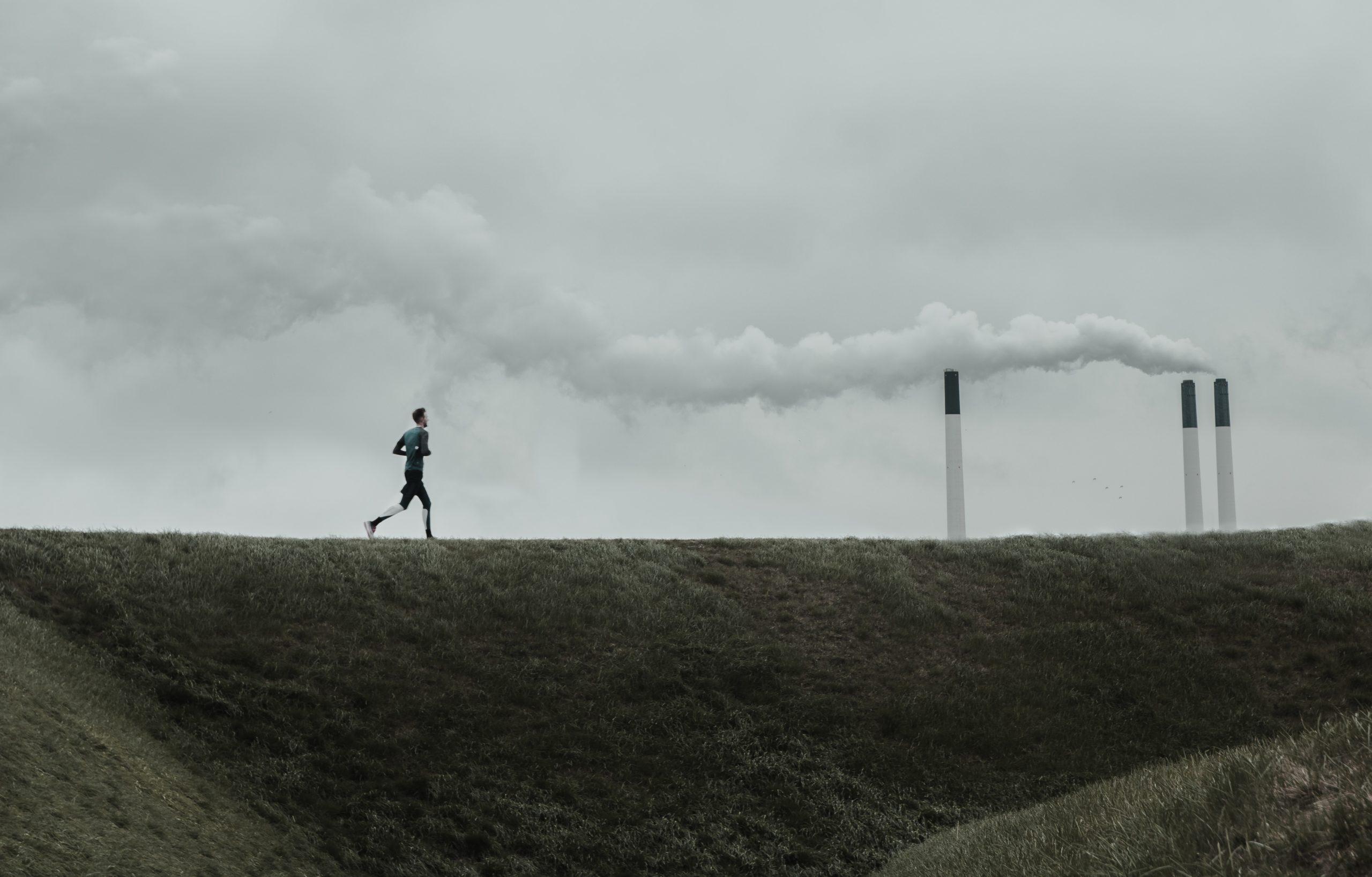
El canvi climàtic és un fet, i els seus efectes cada cop són més presents. Segons les anàlisis de la NASA i l’Administració Oceànica i Atmosfèrica Nacional (NOAA), el 2021 ha estat el sisè any més calorós mai registrat, i els 10 anys més càlids s’han donat en el període 2010-2021. Si continua aquesta tendència, d’aquí a 10 anys arribarem al sostre d’escalfament global que els Acords de París van fixar en un augment màxim d’1,5 °C.
En general, es creu que el canvi climàtic només implica un lleuger increment de la temperatura, un fet que molta gent creu que no té gaire importància. Però la realitat és molt diferent, ja que l’augment de la temperatura és només el principi d’una història amb molts finals possibles. La Terra és un sistema molt complex que canvia contínuament, tot està connectat, i els canvis d’una zona poden influir en els canvis de la resta del conjunt.
Les sequeres i les inundacions, els incendis i el desglaç dels pols, l’escalfament atmosfèric, la pujada del nivell de la mar o l’escassetat d’aigua, són només algunes de les conseqüències del canvi climàtic que posa en greu perill la biodiversitat del nostre planeta. Alguns d’aquests canvis poden ser irreversibles durant milers d’anys.
Els dos projectes de Doctorats Industrials, dels que parlarem més endavant, s’han proposat lluitar contra el canvi climàtic aportant solucions que es fonamenten en la idea de treure diòxid de carboni (CO₂) de l’aire. El CO₂ és el principal gas amb efecte hivernacle, i la concentració d’aquest gas a l’atmosfera bat rècords any rere any segons els informes de la NOOA. Precisament, l’increment dels gasos amb efecte hivernacle a l’atmosfera és una de les principals causes del canvi climàtic segons el Grup Intergovernamental d’Experts sobre el Canvi Climàtic (IPCC). De fet, un dels dos projectes anomenat CAPTACO₂, treballa en una idea alineada amb els dictats de l’IPCC de reducció de les emissions contaminants.
Una dada fonamental per afrontar la situació: les concentracions de gasos amb efecte hivernacle es troben en el seu nivell més elevat en 2 milions d’anys. Durant els dos últims segles l’activitat humana n’han propiciat l’increment, però aquest increment és greu? Cal entendre bé primer a què ens referim quan parlem d’efecte d’hivernacle. Els gasos amb efecte d’hivernacle atrapen la radiació infraroja que emet la nostra Terra, i ajuden a mantenir la temperatura en la qual la vida ha prosperat durant milers d’anys. Tanmateix, l’equilibri s’ha trencat, la crema de combustibles fòssils genera emissions de gasos amb efecte d’hivernacle que actuen com una manta que embolcalla la Terra, atrapant la calor del Sol i augmentant les temperatures. En definitiva, ara tenim un excés de gasos amb efecte d’hivernacle a la nostra atmosfera, molts més que en qualsevol altre període dels últims quatre-cents mil anys!
"Dos projectes de Doctorats Industrials s’han proposat lluitar contra el canvi climàtic aportant solucions que es fonamenten en la idea de treure diòxid de carboni (CO₂) de l'aire"
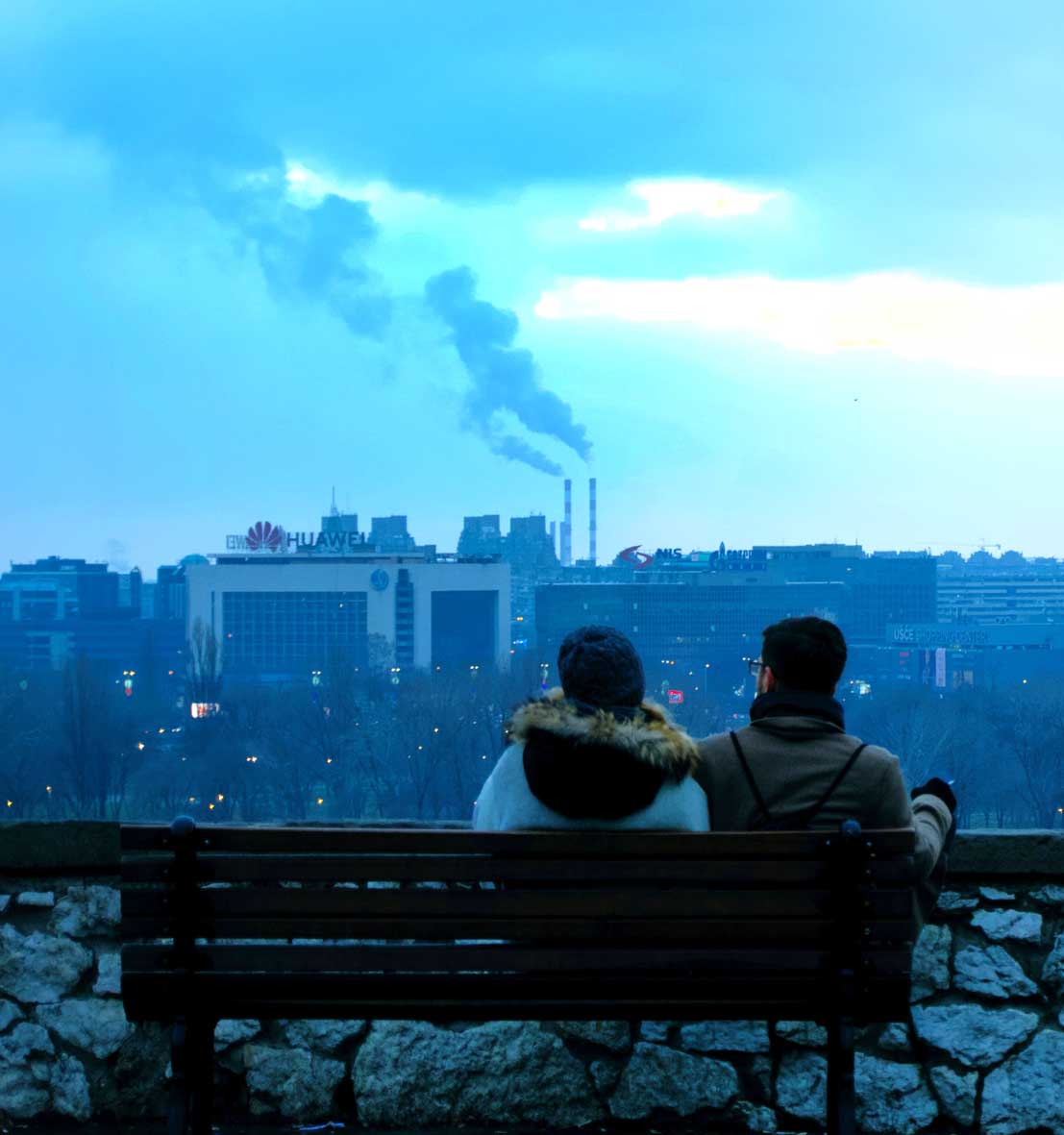
Un dels compromisos de la cimera de la COP26 de Glasgow de novembre de 2021 és abandonar l’ús del carbó com a combustible. I aquest és un dels elements que incideixen directament en l’emissió de grans quantitats de diòxid de carboni a l’atmosfera i provoquen un escalfament global generalitzat. L’escalfament global del nostre planeta (recordem que és un sistema en equilibri) pot modificar els patrons climàtics. Alguns d’aquests patrons poden ser el de les pluges, o el que es preveu més greu, la pujada del nivell del mar, que provocarà greus inundacions a les zones costaneres més baixes, i posarà en risc la vida tal com la coneixem ara.
Davant d’aquest escenari tan crític, cal encarar el problema en dos fronts: reduir les emissions de gasos amb efecte d’hivernacle i eliminar l’excés d’aquests gasos que hem estat enviant a l’atmosfera. Aquí és on la recerca col·laborativa dels dos projectes de Doctorat Industrial, capitanejats per la Fundació Greennova amb la Universitat de Barcelona i la Universitat Rovira i Virgili, es conjuren per netejar l’aire de l’atmosfera extraient CO₂ de l’atmosfera i evitar que pugi més la temperatura global. Greennova fa anys que treballa per eliminar el diòxid de carboni de l’atmosfera, amb una missió clara: desenvolupar i implementar eines i solucions per mitigar i revertir les conseqüències negatives generades per l’activitat de l’ésser humà sobre el planeta Terra i les espècies que hi habiten. L’Anna Mas Herrador, la doctoranda del projecte de DI CaptaCO2 ho deixa molt clar: “Tenim el canvi climàtic a sobre, però crec que és possible trobar-hi una solució”. És per això que projectes com aquests tenen sentit: no només es tracta de reduir progressivament les emissions de gasos com ara el diòxid de carboni, sinó que també cal transformar l’excés de CO₂ com a solució a curt-mitjà termini. És interessant destacar que solucions al canvi climàtic com aquestes poden aportar beneficis econòmics, alhora que milloren la nostra qualitat de vida i protegeixen el medi ambient.
"Tenim el canvi climàtic a sobre, però crec que és possible trobar-hi una solució"
Anna Mas Herrador (Doctoranda Industrials del projecte CaptaCO2 ) Compartir a Twitter
Una fulla artificial per capturar CO₂
Un dels dos projectes, anomenat CAPTACO2, és anterior a la fase de Doctorat Industrial, però l’èxit dels resultats i la finalització del contracte de recerca els van portar a decidir donar continuïtat al projecte amb un Doctorat Industrial. L’interès que desperta aquest projecte ha estat objecte d’un reportatge al canal Americà China Global Television Network (CGTN). De la mateixa manera aquesta iniciativa per a captar CO₂ atmosfèric ha rebut el suport d’organitzacions com PEUSA, una empresa de subministrament energètic de Lleida, i d’altres organitzacions com la Caixa d’Enginyers, l’empresa de begudes Damm, la companyia aèria Vueling i l’entitat bancària La Caixa.
L’equip d’aquest projecte està format per la doctoranda Anna Mas Herrador (enginyera química i màster per la Universitat Politècnica de Catalunya), l’investigador Dr. Ricard Garcia-Valls (professor d’Enginyeria Química de la Universitat Rovira i Virgili) i Sebastià Carrión Soriano (director de Greennova i responsable d’empresa dels dos projectes). L’Anna va considerar que el projecte era un bon repte per a treballar en una solució al problema del canvi climàtic. El Dr. Garcia-Valls va arribar a la URV després de fer la seva estada postdoctoral al prestigiós Massachusetts Institute of Technology (MIT) a Boston. Fa molts anys que treballa en la tecnologia de membranes i va començar a desenvolupar una fulla artificial per capturar CO₂ tal com fan els arbres, per després fer una fotosíntesi artificial. Durant aquest procés de recerca va conèixer Sebastià Carrion, director de la Fundació Greennova, i van decidir iniciar una col·laboració en aquest projecte orientat a solucionar els efectes del canvi climàtic.
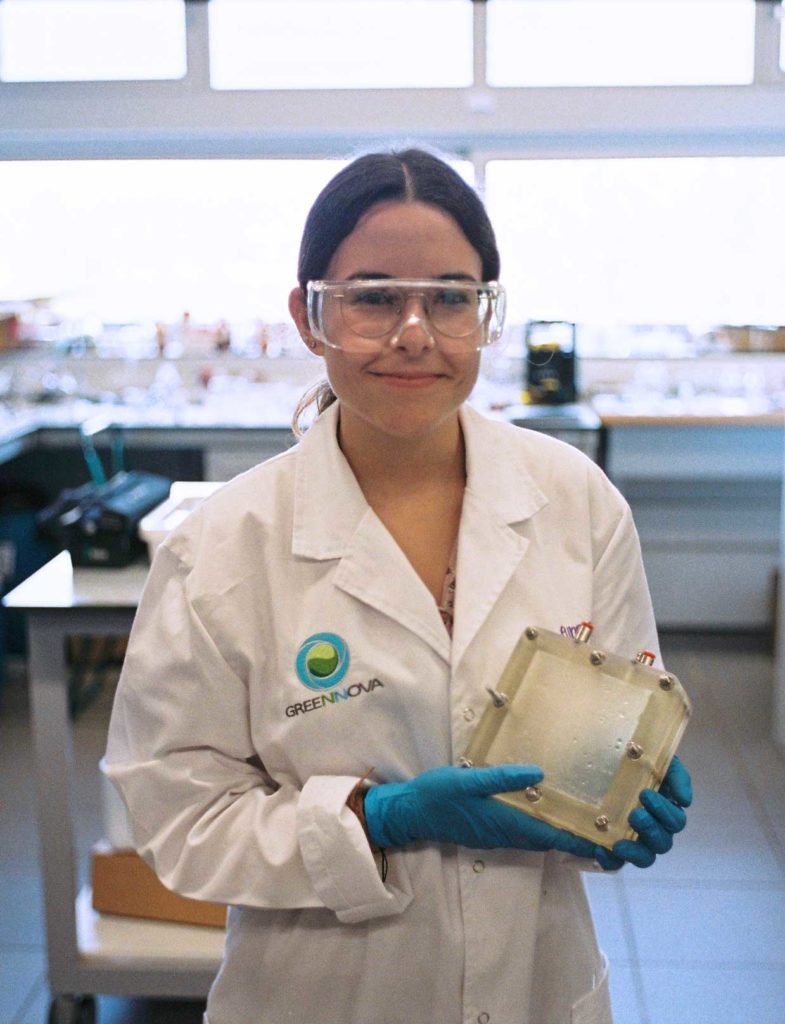
La doctoranda és el pont de transferència de coneixement entre Greennova i la URV, combinant els dos entorns de treball: “D’una banda, el món acadèmic on aprenc de la metodologia i el coneixement i, de l’altre, el contacte amb el món empresarial on apropem aquest coneixement a la societat i tenim contacte amb altres empreses”. Ens comenta que un dels resultats més satisfactoris és veure que hi ha un producte final per a la societat després de llargues hores de recerca als laboratoris d’Eurecat a Tarragona. Tot i que encara no fa un any que va arribar al projecte, s’han obtingut bons resultats, amb una bona cooperació entre la universitat i l’empresa: “Un Doctorat Industrial és una bona opció per acabar transferint el coneixement des de la universitat a la societat” declara.
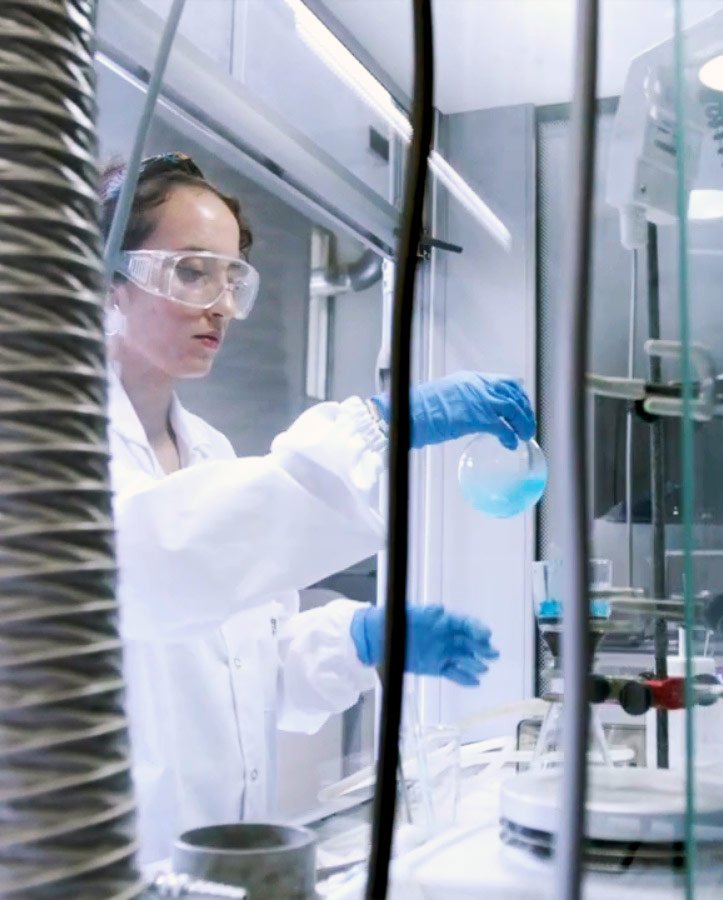
Però quina és aquesta feina de laboratori? En què consisteix exactament la tecnologia per separar el CO₂ atmosfèric de la resta de gasos de l’aire? El procés de captació funciona mitjançant una reacció química que transforma el CO₂ de l’atmosfera en una sal, que es pot recuperar i retirar de la mateixa manera que separem qualsevol altre residu. A partir d’aquí el residu esdevé un subproducte que permet iniciar un cicle de fabricació d’un nou producte, amb la qual cosa es tanca el cicle de l’economia circular del carboni: “Mitjançant una sèrie de membranes i una dissolució, volem capturar quantitats prou rellevants de diòxid de carboni de l’atmosfera i convertir-les en carbonats” comenta Anna Mas Herrador. Ella treballa precisament per optimitzar l’eficiència del procés, perquè es puguin assolir quantitats rendibles de CO₂, objectiu final de la seva tesi doctoral. Tal com hem explicat abans, la manera més didàctica de comprendre aquesta tecnologia és pensar en una fulla artificial: “imitem a les fulles dels arbres a on el CO₂ és capturat de manera passiva i lenta, però transformat per part del vegetal de manera selectiva”, ens comenta el Dr. Garcia-Valls.
Una de les aplicacions amb més impacte domèstic és instal·lar un aparell en un habitatge o una oficina per capturar el CO₂ que respiren totes les persones que hi conviuen.
Tècnicament parlant, és un petit dispositiu el que s’encarrega del procés, format per membranes i una substància absorbent amb molta afinitat pel CO₂. Només cal posar en contacte aquest líquid amb l’aire per aconseguir que el CO₂ s’hi adhereixi i es transformi, com fer-ho en el mínim temps possible és el repte. Una de les aplicacions que poden tenir més impacte en l’àmbit domèstic és la possibilitat d’instal·lar l’aparell en un habitatge o una oficina, ja que això permetria capturar el diòxid de carboni que respiren totes les persones que hi viuen o hi treballen. En el futur pròxim, la intenció del projecte és replicar el prototip a una escala més gran. Fa més d’un any que l’Anna treballa intensament en un nou prototip: una membrana més gran i una caixa de panells solars com a font d’energia, així com altres cares que funcionen com les fulles dels arbres. “Si projectes com el nostre funcionen podrem ‘netejar’ el CO₂ ja present a l’atmosfera per deixar-lo en valors correctes per a l’equilibri del clima”, ens explica el Dr. Garcia-Valls.
Si projectes com el nostre funcionen podrem ‘netejar’ el CO₂ ja present a l'atmosfera per deixar-lo en valors correctes per a l'equilibri del clima.
Dr. Garcia-Valls Compartir a Twitter
Una esponja per capturar CO₂
Tal com s’ha comentat a la introducció, el canvi climàtic és causat per l’augment desmesurat de gasos amb efecte hivernacle a l’atmosfera, dels quals el diòxid de carboni és el més important. Per aquest motiu cal treure l’excés d’aquests gasos que ja tenim a l’aire, més enllà de fer un esforç com a societat per deixar d’abocar-los a l’aire que respirem. La recerca d’aquests projectes va en aquesta línia per poder generar un impacte rellevant en la solució del problema. En definitiva, l’objectiu final és ajudar a reduir els efectes del canvi climàtic sent coherents amb els valors socials i mediambientals que han determinat els objectius dels projectes i de la Fundació Greennova: es tracta de fer una acció que sense buscar el lucre tingui com a objectiu el benestar general.
La Fundació Greennova lidera, de la mà de Sebastià Carrión, el segon projecte anomenat GRAFECO₂, i també és un projecte sense ànim de lucre alineat amb les polítiques ambientals recomanades per l’IPCC. L’equip investigador d’aquest projecte el formen dues dones: la Dra. Mercè Segarra Rubí i la doctoranda Elizabeth Martínez Medina. La doctoranda, després de fer el màster de Química de Materials Aplicada a la Universitat de Barcelona, es va presentar com a candidata a la proposta de projecte de Doctorat Industrial. La Dra. Segarra és la directora de la tesi, i forma part del Grup de Disseny i Optimització de Processos i Materials (DIOPMA-UB): “Col·laborar tots aquests anys amb el Pla de Doctorats Industrials considero que ens ha aportat una visió molt beneficiosa, innovadora i positiva”. Aquest grup de recerca té una llarga experiència en transferència de tecnologia, centrada en les pimes: “Un dels objectius del grup és ajudar a les empreses a superar els reptes de futur i present, innovant, millorant els seus productes o la seva tecnologia de fabricació”. El grup col·labora amb empreses gràcies a diferents instruments d’innovació i transferència: “La codirecció de tesis doctorals dins del Pla de Doctorats Industrials ha estat un pas natural per al nostre grup, en el qual hem participat des de la seva creació”.
En aquest segon projecte, el CO₂ també s’absorbeix, amb l’objectiu de captar l’excés d’aquest gas de l’atmosfera terrestre: “Ara com ara, no hi ha mesures efectives per captar CO₂ i en la indústria només és viable en alguns casos en els quals es captura directament de les xemeneies”, comenta l’Elizabeth. La seva feina de recerca aplicada, amb l’ajuda del Sebastià com a tutor d’empresa i la Dra. Segarra, és investigar diferents maneres de fer servir el grafè per capturar el CO₂: “El símil és el d’una esponja com la que utilitzem per netejar els plats”, afirmen. L’aire de l’ambient travessa l’esponja i el CO₂ queda atrapat en els forats que té l’esponja, i després es pot alliberar. El repte és aconseguir que només sigui el CO₂ el gas que quedi atrapat en aquests forats, funcionant com un colador que separarà aquest gas amb efecte d’hivernacle de la resta de gasos de l’aire que respirem.
En definitiva, aquests dos projectes de recerca aplicada tenen un valor en el sector empresarial molt important a l’hora de generar més competències transversals i assolir que l’empresa sigui més competitiva. És una oportunitat per a tots els implicats. D’una banda, l’empresa capta talent i pot treballar al costat de personal investigador d’alt nivell científic i a l’avantguarda del coneixement. De l’altre, la universitat enforteix les seves relacions amb empreses i contribueix al desenvolupament del país incrementant la seva capacitat innovadora. L’Elizabeth, doctoranda d’aquest últim projecte, afirma que “treballar amb una empresa i poder veure la ciència des d’una altra perspectiva aporta una experiència i uns valors afegits que són molt útils per créixer personalment i professionalment”.
"Ens ha permès transferir els coneixements generats a la societat d’una manera directa, aprofitant els diferents punts de vista per a trobar nous camins en la recerca i el desenvolupament del coneixement"
Dra. Mercè Segarra (Investigadora del projecte GrafeCO2) Compartir a Twitter
La recerca col·laborativa i aplicada
Per a Sebastià Carrión, el Pla de Doctorats Industrials encaixa amb els propòsits de la Fundació Greennova: “Nosaltres tenim l’empenta i els objectius clars, però no disposem de prou coneixement, ni de les instal·lacions necessàries per poder desenvolupar els projectes satisfactòriament. El Doctorat Industrial genera un coneixement amb aplicació directa, i estableix un marc de col·laboració molt clar que beneficia totes les parts implicades”. La recerca col·laborativa té un gran potencial en la nostra societat actual, i fa èmfasi en la importància de teixir vincles entre la recerca de la Universitat i les empreses: “Ens ha permès transferir els coneixements generats a la societat d’una manera directa, aprofitant els diferents punts de vista per a trobar nous camins en la recerca i el desenvolupament del coneixement”, explica la Dra. Segarra sobre el projecte GrafeCO₂. Aquest tipus de recerca fonamentada entre la col·laboració dels dos àmbits, la universitat i l’empresa, permet un intercanvi enriquidor de punts de vista sobre un mateix problema: “Et fa sortir de la zona de confort i donar el millor de tu per entendre el problema d’una forma innovadora, aplicant els teus coneixements i talents”, detalla el Dr. Garcia-Valls, del projecte CaptaCO₂.
En aquest sentit, la segona característica de la recerca que es desenvolupa en un Doctorat Industrial és la seva aplicabilitat i l’impacte que pot arribar a tenir en la nostra societat. Així ho explica Carrión com a tutor d’empresa dels dos projectes: “La gràcia dels Doctorats Industrials és justament la recerca aplicada. Nosaltres pensem en els projectes no únicament com a desenvolupament d’un coneixement; volem que generin una solució que es pugui implementar i industrialitzar”. L’objectiu final d’ambdós projectes és poder industrialitzar els prototips que es duguin a terme. Demostrar, en definitiva, que allò que sembla un bon resultat al laboratori ho sigui també en un entorn real: “Esperem que al final de la tesi tinguem un primer resultat de cas real i un prototip amb capacitat comercial perquè hagi demostrat la seva eficiència”, apunta el Dr. Garcia-Valls.
En conclusió, els dos projectes permeten apropar la Fundació Greennova a les etapes inicials de la generació de coneixement, participant activament en tot el procés, entenent que l’etapa del doctorat és de formació i creant sinergies amb el grup de recerca que, en alguns casos, poden portar a una col·laboració futura: “El coneixement generat el pot aprofitar la mateixa empresa, ja que està enfocat a la resolució d’una temàtica que l’interessa” confirma la Dra. Segarra.